

PAPER-BACKED ABRASIVES
Paper-backed sanding belts for wood and paintwork
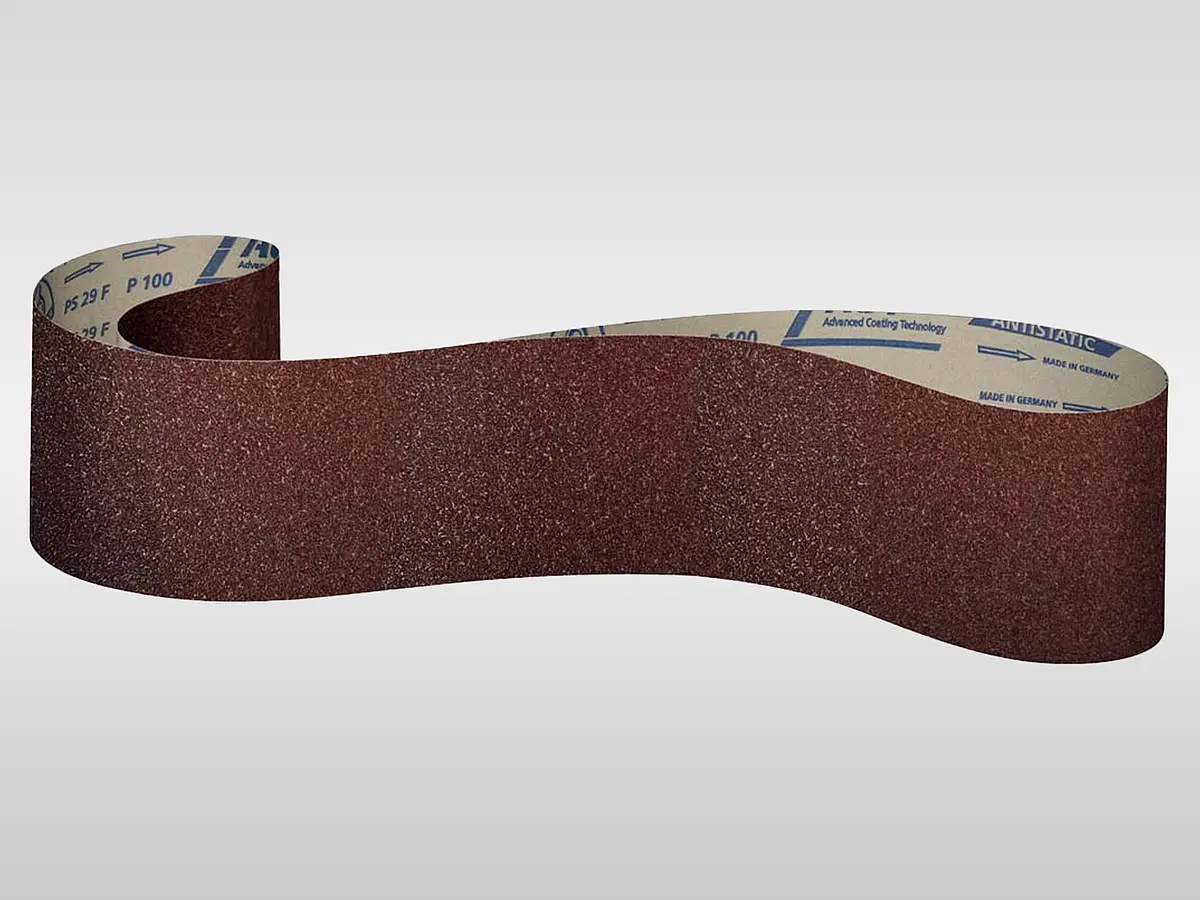
Paper-backed sanding belts combine abrasive grain with a paper backing and are available in several belt formats for working on wood and painted surfaces. Choose according to the starting surface, desired finish and machine; Krückemeyer GmbH will review the suitable specification with you.
01
Selection criteria
Start with the material, surface and belt format
Start with the workpiece: solid wood, veneer, wood-based panels and painted surfaces place different demands on stock removal and finish. Check whether your current belt loads, wears too quickly or leaves a different finish from the one you need. Then select grain, coating and paper backing for the sanding step; belt width and length must suit the machine. The range includes narrow, edge, long and wide belts from the 1919 siawood + series.
02
PAPER-BACKED SANDING BELTS
Paper-backed sanding belts in the range
The product listing shows paper-backed sanding belts in different formats, dimensions and grit sizes. Check each product for suitability for the material, surface and machine.
No products found
No products are currently listed in this category. Request a call back and we will help you find the right product.
Request a callback03
CHOOSING A PAPER-BACKED BELT
Which paper backing suits the sanding process?
The result on the workpiece guides selection: on flat wood surfaces, stock removal and a consistent finish matter; on paint and filler, a belt that loads too soon can disrupt the process. Manufacturer information distinguishes paper backings, abrasive grains and coating patterns by material and task. Do not assume that the suitability of one product applies to every paper-backed sanding belt.
Compare the belt currently used with the material, starting condition, target finish and observed wear. For converting, also specify the belt dimensions, machine and joint requirements. Krückemeyer GmbH processes suitable coated abrasives; feasibility of the requested paper belt depends on the base material, geometry and application.
04
QUESTIONS ABOUT PAPER-BACKED BELTS
What are paper-backed sanding belts suitable for?
The paper-backed sanding belts in this category are documented mainly for work on wood and painted surfaces. The listed range includes, for example, narrow, edge, long and wide belts from the 1919 siawood + series. The right belt depends on the material, its starting condition and the finish required. Also check that the format suits the machine and the sanding step. Suitability stated for one product is not a general approval for every wood or painted surface.
How do I choose grit and backing for a paper belt?
Start with the required stock removal and target finish, then compare the grit with the result from your current belt. The paper backing affects stability and how the abrasive follows the workpiece shape; manufacturer documents distinguish different paper grades for this purpose. Abrasive grain and coating pattern also depend on the application. A more open coating can reduce loading on suitable products, while others are designed for a consistent finish. Check the specific product information and test the combination on your workpiece.
What should I check if a paper-backed belt loads too quickly?
First check the material, coating and condition of the surface, together with the belt currently in use. For certain wood and paint applications, manufacturers describe open coating or antistatic treatment as ways to reduce premature loading. This applies only to products equipped with those features. Record when loading occurs and what finish is needed so that grain, coating and, if appropriate, another product can be compared. The machine operating conditions also belong in the selection.
What information is needed for a converted paper-backed belt?
Provide the base material or belt currently used, the material being worked and the sanding step, along with belt width, belt length and machine. The required finish, observed problems and joint requirements are also useful. Krückemeyer GmbH can process suitable coated abrasives into belts and make the joint. Whether dimensions and specifications can be combined depends on the paper backing, geometry and application; extreme values cannot be combined independently.
05
Request advice
Describe the material, starting surface, required finish, machine and belt currently used. We will review the grain, backing, belt format and suitable converting options with you.
Specify a paper-backed belt for your process
Send us the belt dimensions, material and sanding task. We will review the product selection and check the requested specification.

PAPER-BACKED BELT ADVICE
Jürgen Müller
Contact for products
Discuss the material, required finish and belt dimensions with Jürgen Müller. This helps assess a suitable specification for your machine.