

SANDING BELTS · SELECTION AND CONVERTING
Choose custom-size sanding belts for industrial applications
Sanding belts join coated abrasives into a continuous belt. For stock removal, contour work or finishing, the workpiece material, target surface and existing machine come first – then abrasive grain, backing and belt dimensions.
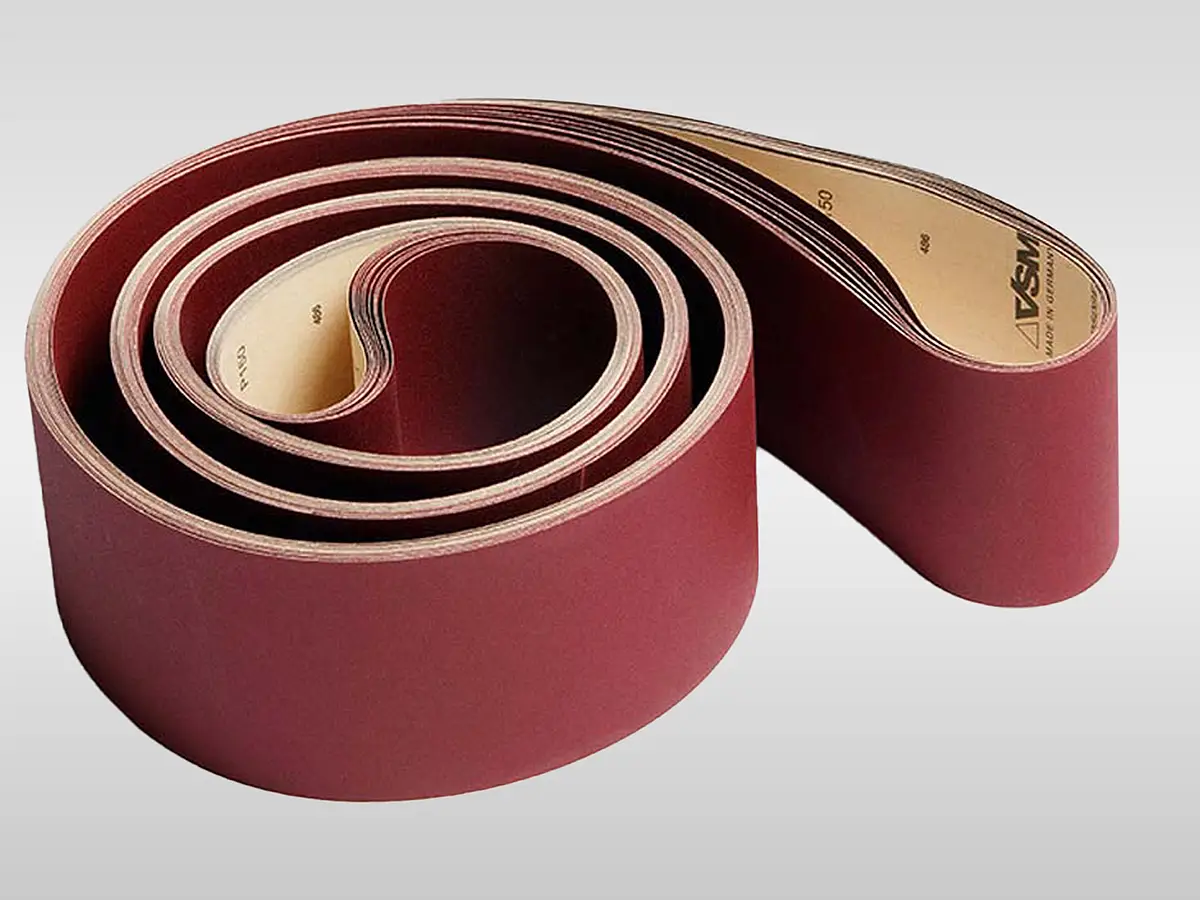
01
Sanding belts by brand, material and belt format
Sia sanding belts
VSM sanding belts
Klingspor sanding belts
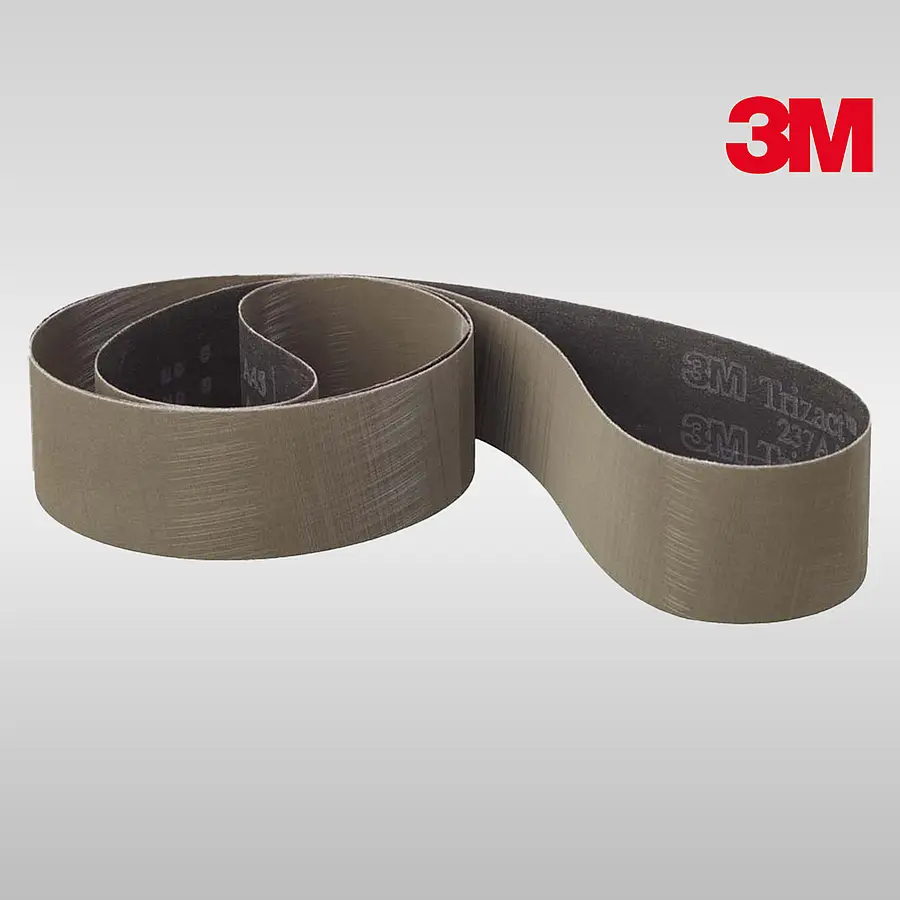
3M sanding belts
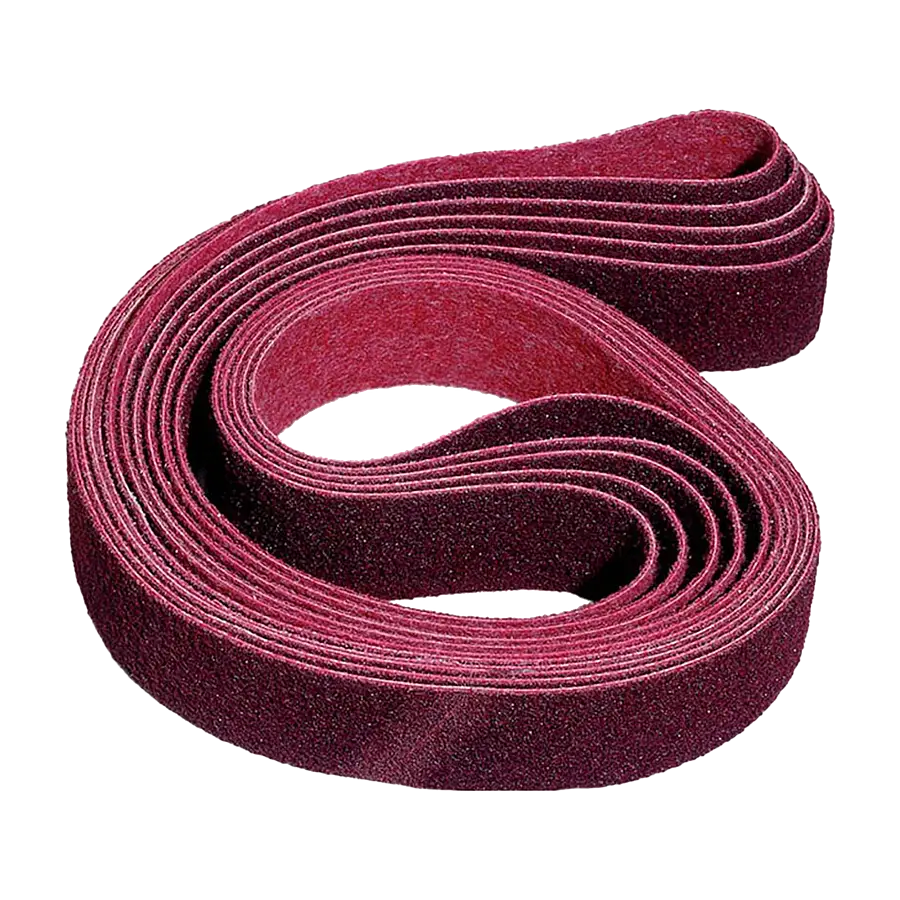
Nonwoven belts
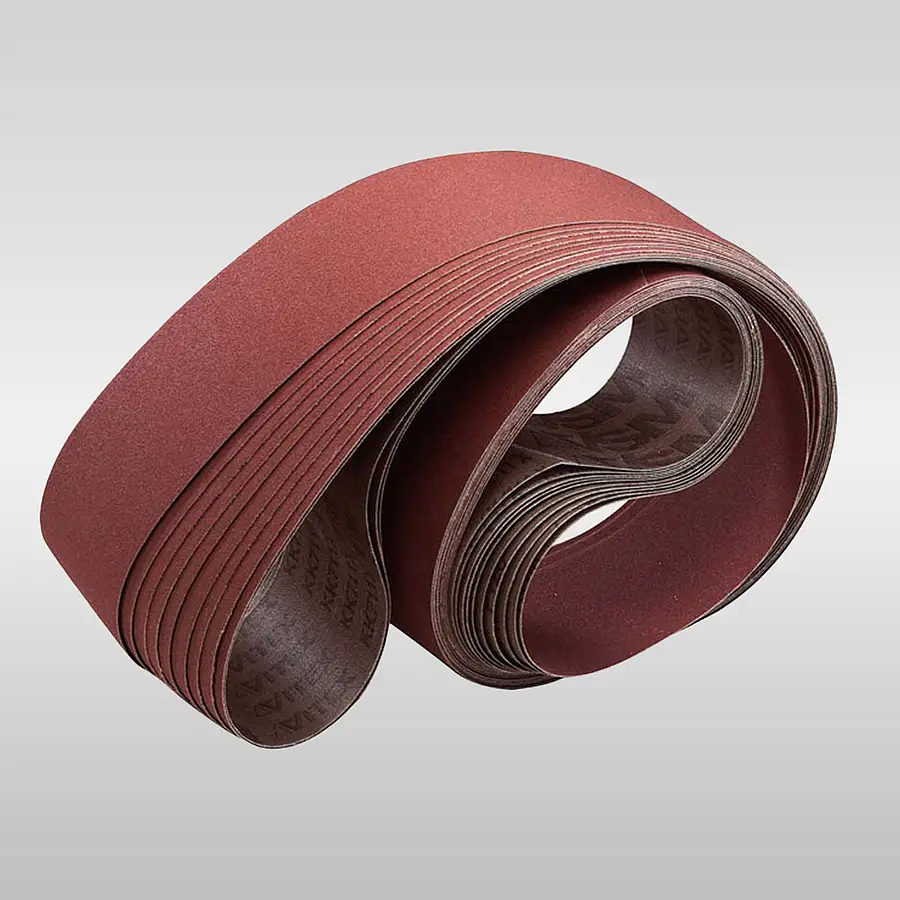
Cloth backed sanding belts
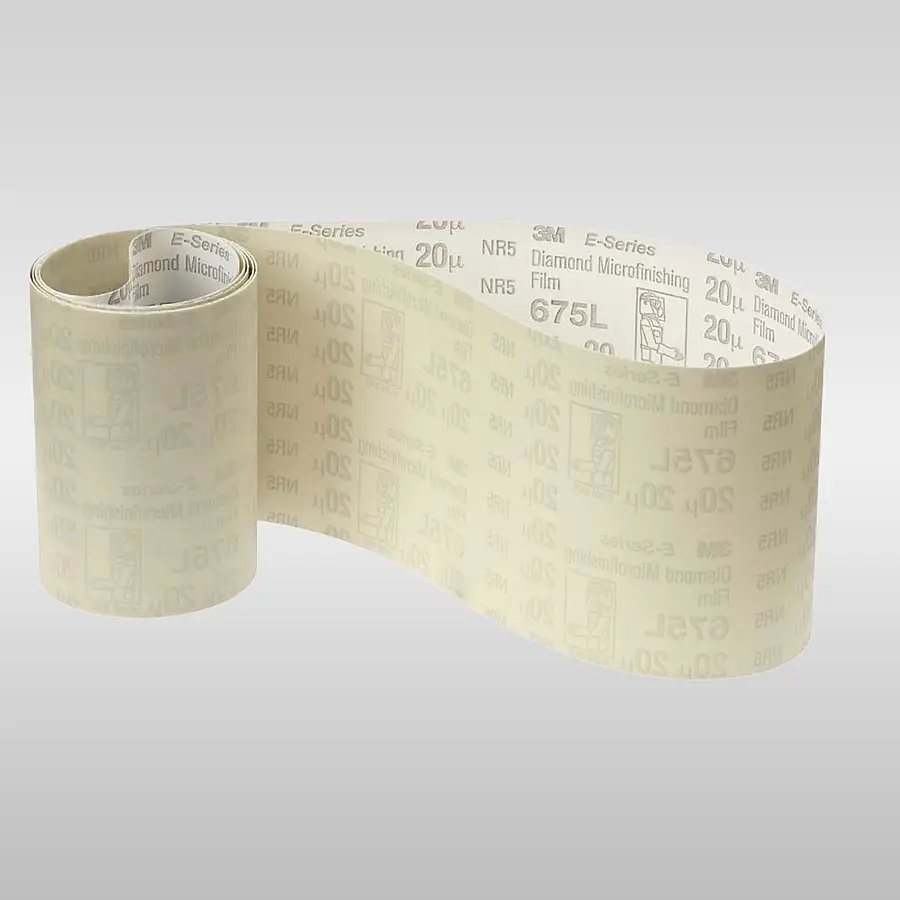
Diamond sanding belts
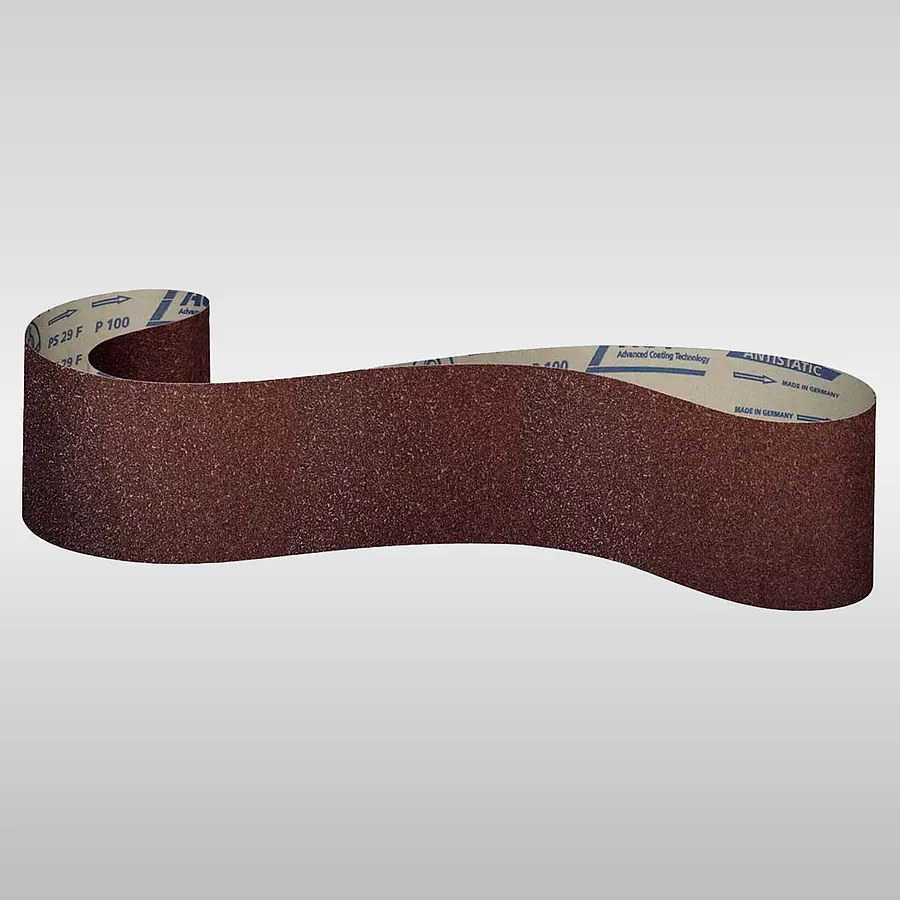
Paper backed sanding belts
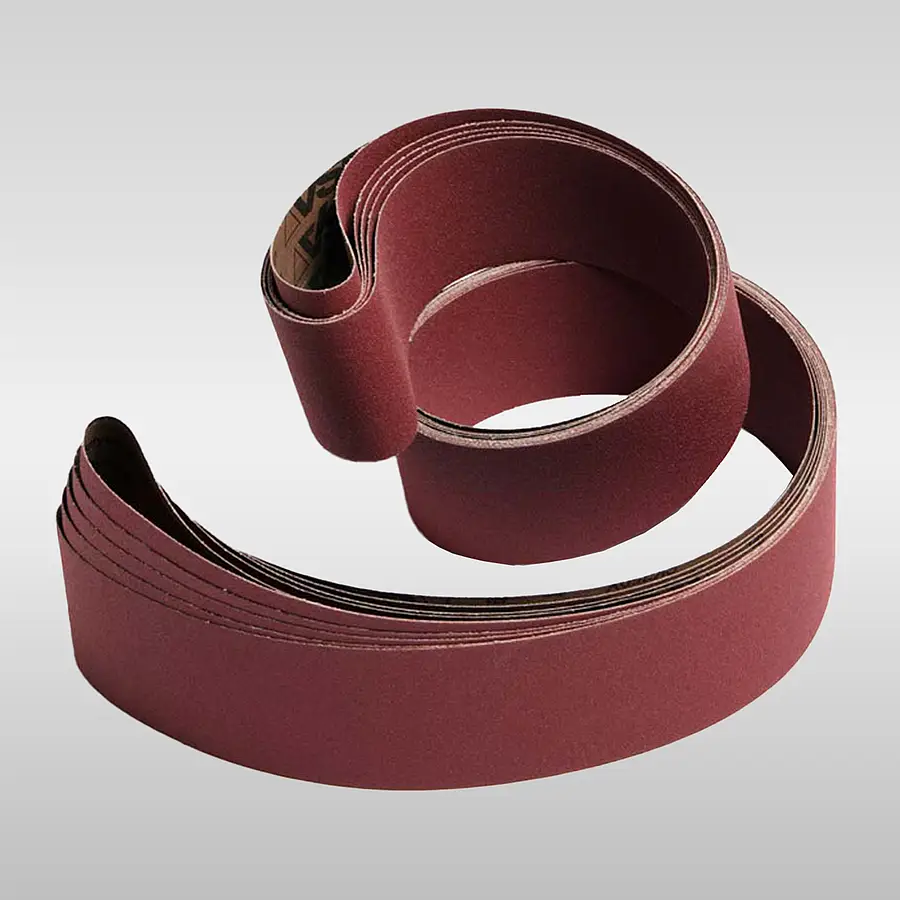
Long sanding belts
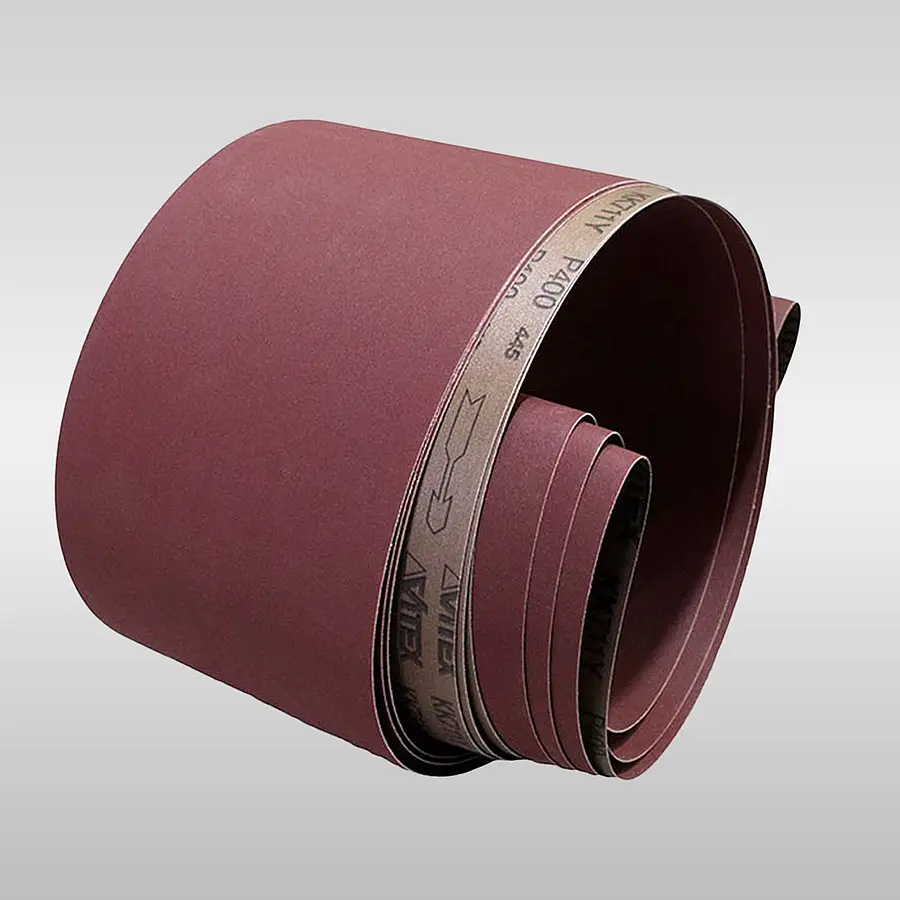
Wide sanding belts
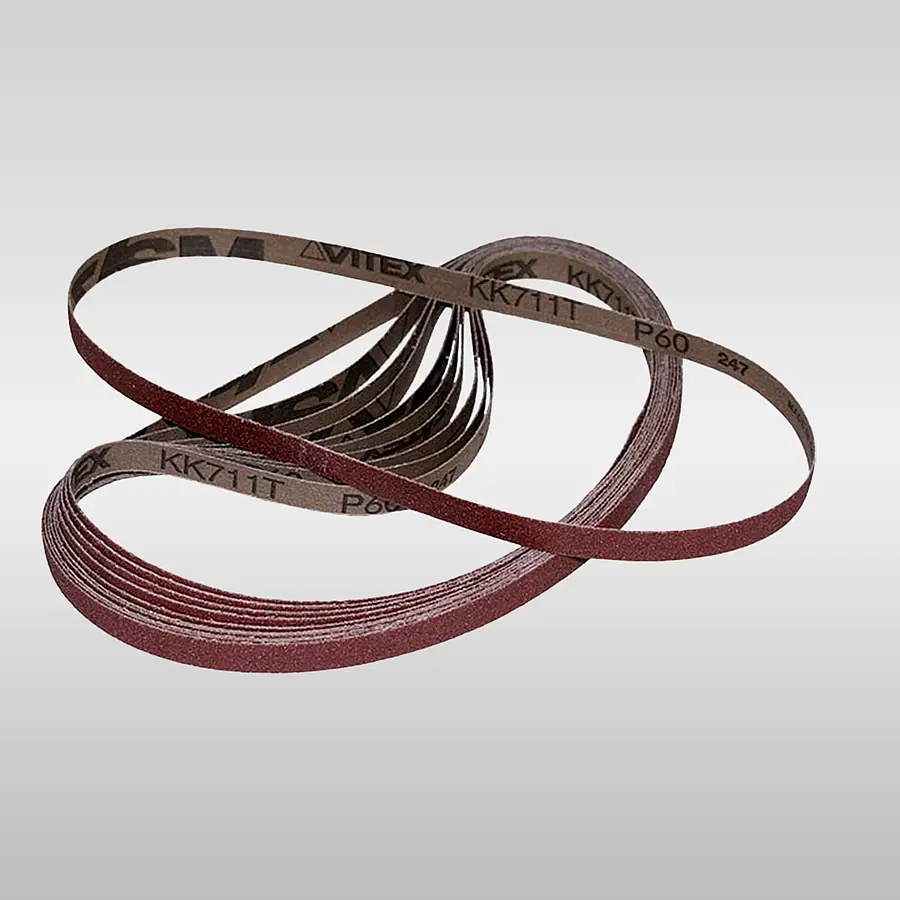
File belts
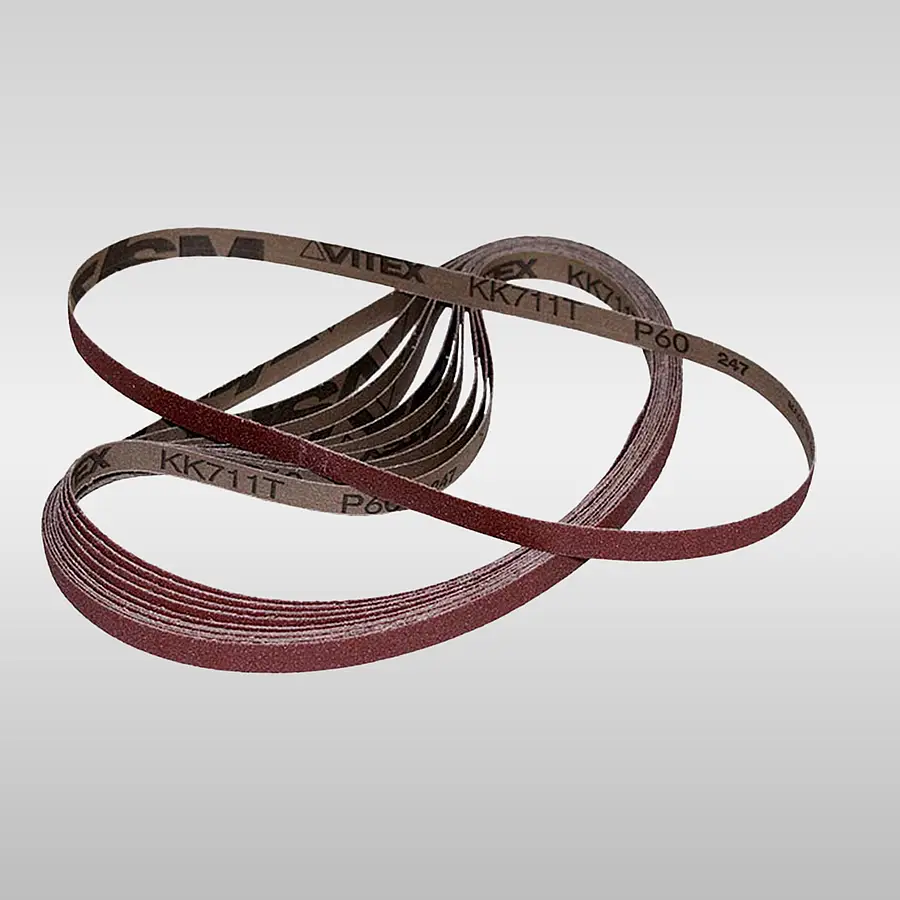
Narrow sanding belts
02
Selection criteria
Which features determine the right sanding belt?
Start with the belt you currently use: What material are you working on, what is its initial condition and what surface do you need? Heavy stock removal, close contour work and finishing call for different abrasive systems and backings. The flexible J-cloth of the 3M 307D belt is specified for contours; structured Trizact grains provide a consistent finish in documented variants. Compare grain type, grade, bond, backing and any grinding aid only for the specific product. Width, length, mounting and wet or dry use must match the machine and application.
03
SANDING BELT RANGE
Sanding belts in the product range
The system listing contains sanding belts from several brands, with different backings and belt formats. Narrow down the products using their technical data and the dimensions required by your machine.
No products found
No products are currently listed in this category. Request a call back and we will help you find the right product.
Request a callback04
SANDING BELT SELECTION
From a listed belt to the right specification
Compare products within the task: cloth belts for documented contour or stock removal work, paper backed belts for uses including wood and paint, nonwoven belts for finishing, and diamond coated belts only where the specific material is supported. The same belt shape or grade does not prove the same effect. For a brand-specific choice, open the VSM sanding belts category and check the product details there. If your current belt clogs early, generates excessive heat or produces an inconsistent finish, include that observation in your selection. Krückemeyer GmbH can convert suitable coated abrasives into belt formats; dimensions and joints are assessed for the material and construction. For the next decision, send the material, machine, belt size, initial condition and target surface in your enquiry.
05
SANDING BELT SELECTION QUESTIONS
What information helps you select a sanding belt?
Start with the workpiece material, its initial condition and the result you need: stock removal, contour blending or a finished surface? State which belt you use now and what is going wrong, such as an inconsistent scratch pattern or short service life. You can then compare grain type, grade, backing and bond within documented product families. Belt width and length must fit the machine; the specific product information determines whether wet or dry use is suitable. An identical grade marking alone does not make two belts interchangeable.
When should you consider a nonwoven belt instead of a conventional sanding belt?
Consider a nonwoven belt mainly for finishing, matting and light deburring. The listed Scotch-Brite nonwoven belts, for example, specify finishing, cleaning and removal of small burrs from metal. For substantial stock removal, assess a sanding belt expressly specified for that task, with a suitable grain and robust backing. The desired surface appearance, workpiece geometry and existing machine also matter. Nonwoven, cloth backed and paper backed abrasives serve different tasks; compare the options on the actual workpiece.
How do cloth and paper sanding belts differ?
The backing helps determine how closely a belt follows contours and what load it can withstand. The 3M 307D is described as a flexible cloth sanding belt with J-cloth for contour work. The range also contains paper backed Sia belts for wood and paint applications. This does not mean one backing is always better for a given material. Compare grain, bond, backing, sanding method and belt format for the specific product, then check the choice against your machine and target finish.
Can a sanding belt be made to custom dimensions?
Krückemeyer GmbH converts suitable coated abrasives into sanding belts. The confirmed overall range is 6–610 mm wide and 283–16,500 mm long; its extreme values cannot be combined arbitrarily. Whether a requested construction is possible depends on the source material, backing, belt geometry and joint, among other factors. Include the product or source material, belt width and length, machine and operating conditions in your enquiry. The conventional bonded butt joint is reinforced on the reverse side; the precise construction is assessed for the application.
How do you check whether a belt suits wet or dry sanding?
Follow the information for the specific belt. The 3M Trizact 253FA, for example, is described with a water resistant XF polyester backing for wet use on steel and stainless steel, while other Trizact variants are expressly specified for dry use only. A family name or similar grade is no substitute for checking the product. Compare workpiece material, coolant, backing, bond and machine conditions with the data sheet and your existing process. Details of your current belt and target finish also help with application advice.
06
Request advice
Tell us the material, your current sanding belt, the machine and the result you need. We will discuss product selection, belt dimensions and possible converting with you; feasibility depends on the specific construction.
Enquire about a belt for your application
Already know the belt size and task? Send us your requirements or speak with our abrasive technology team.

ABRASIVE TECHNOLOGY ADVICE
Jürgen Müller
Contact for products
Jürgen Müller will discuss your material, machine and target finish with you.